Mise en scene are the characteristics that are used to set the film and tell the story. There are five sections to mise en scene; lighting, setting, costume, body language and facial expression and iconography.
Lighting
Lighting helps to convey mood and atmosphere in a scene in film. It can also guide the audience's attention to a particular object, person, emotion, or gesture. In a thriller lighting can be used to cast shadows and build tension. There are different techniques to use lighting.

- Under lighting
This is where light comes from below the person which tends to have a distorting effect on the character.
This can be used in a thriller to make a character look more evil and sinister. This can make the audience assume the character has a dark side and develop a negative opinion of the character.

- Top lighting
This is where lighting comes from above; highlighting the features of a character. This often creates a glamorous look.
In this example the male character comes across heroic which makes the audience identify them as the protagonist and automatically develop a positive opinion of them.

- Back lighting
This is when the light source is behind the person. If little of no light is used it will create a silhouette.
This example from the famous scene in 'Psycho' uses back lighting to hide the identity of the antagonist making the audience unclear about who the character is. This technique is often used in mystery thrillers so keep the audience guessing and engaged.
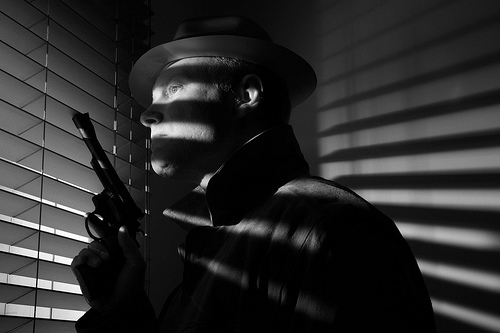
- Low key
The lighting is dark with areas of light, which creates shadows. This builds up tension in a thriller and makes the audience aware that something thrilling may be about to occur; such as, an attack on the protagonist/ victim.

- High key
Lighting appears more natural, however, clearly brighter than natural. The use of high key lighting in this image taken from 'Se7en' allows the audience to identify the men as the protagonists. They look more heroic and the audience will have a positive view of them and identify them as 'good'.
- Natural

In the image taken from 'Scream', the use of natural lighting on the victim makes the audience feel calm, the tension has not yet started to build up so it seems like everything is okay. This is can be used in the opening of a scene/film while the scene is being
set.
- Colour

Chardelle, good post where you present your work very clearly, and discuss the impact of lighting well to a scene. You also provide some good examples that have been analysed and dicussed in terms of audience response.
ReplyDeleteTo improve;
-rethink your example for high key lighting, it is usually a lot more defining in terms of providing lighting
-high key example can not be seen. Provide another example please that hasnt been blocked
-colour is not finished. Think about the different filters that can be applied to scenes and why.
-what colour is usually associated to thrillers and why?
-scene analysis of lighting
-conclusion