Costume
Costume is what characters wear in a film and should be conventional to the genre. Costumes allow the audience to interpret the character and the role they are playing in the film.
 Here are just a few conventional antagonist costumes:
Dark coloured clothing - The audience is aware that this character has a dark side and bad intentions.
Marks - Hides the identity of the antagonist from other characters and the audience. Humorous marks are also often used; such as clown masks. This causes discomfort amongst the audience as these types of masks are normally associated with children and fun not evil.
Hoods - Also identity of the antagonist from the audience and other characters holding suspense amongst the audience as they are anxious to see the villains identity.
Facial hair/ messy hair - This makes the antagonist look unattractive and helps to make the audience not like him. Someone that looks like they can't take her of their self looks more evil than someone who looks like that take pride in how they look.
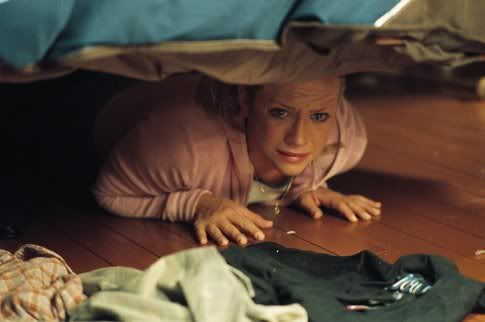 Here are a few conventional protagonist/victim costumes:
- Pale coloured clothing - This makes them seen innocent and will make the audience sympathise with the character.
- Young female victim - Audience will stereotype the character as weak, vulnerable and defenceless; again making the audience sympathise and feel empathy towards the character.
Body language and facial expression
What is body language and facial expression?
The characters actions, movement and the way they carry themselves. The way characters hold themselves or act will be conventional to other films of the same genre.
Conventional body language and facial expressions of an antagonist:
- Confident
- Strong
- Good posture
- assertive
- Calm
- relaxed
- emotionless or comes across intimidatingly happy
Conventional body language and facial expression of a protagonist:
- Strong
- worried
- confident (less than the antagonist)
- uncertain/unsure
- emotional
Conventional body language and facial expression of a victim:
- Defenceless
- Confused
- unsure
- emotional
- worry
- moves slow as they are uncertain
This scene of 'Prom Night' shows conventional body language, facial expression and costume. The main victim is a blond, teenage girl who is wearing pale pink. Her costume makes her seem very vulnerable and weak; along with the rest of the victims who all wear neutral colours. The girls moves around the house very slow at first with a slightly worried face; this shows her confusion and how uncertain she is feeling.
When she is under the bed we can tell by her shocked facial expression the hurt emotions she feels as she watches her mother being killed; this makes the audience feel sorry for her and sympathise.
At the end when she runs out the house in panic we finally see the antagonist who is dressed in all black and scruffy hair, as well as thick facial hair which made him seem voilent and aggressive. Throughout the seen although we couldn't see him fully it is clear that he felt no remorse for what he was doing as his voice sounded confident and aggressive. These techniques make the audience develop a negative view of the antagonist and form a dislike towards him.

Some good information here and some good characteristics identified of conventional characters in thrillers. A good scene has been attempted in analysis and throughout there is some discussion on audience response.
ReplyDeleteTo improve;
- masks typo when discussing antagonist
- provide more images of conventional antagonists
- provide more images of conventional female victims
- what about hair and make up for female victims?
- Try and stress the PEER writing style in your scene analysis. Refer to specific examples and explain its use.
- can you provide some images of body language and facial expressions?
- how are children represented?